Quantitative automated high-frequency trading
The game-changer in trading mechanics. Automated high-frequency trading (HFT) is a type of trading strategy that uses computer algorithms to analyze and execute trades in financial markets at high speeds. HFT is a subset of algorithmic trading, which is a method of trading that uses computer programs to make trading decisions based on predetermined rules and criteria.
In quantitative automated HFT, traders use mathematical models and statistical analysis to identify patterns in market data, and use these patterns to make trading decisions. These algorithms are designed to be executed at high speeds, often in milliseconds, to take advantage of small price discrepancies in financial markets.
Quantitative automated HFT involves a number of different strategies and techniques. Some of the most common strategies used in HFT include:
Market Making: This involves continuously quoting both a bid (buy) price and an ask (sell) price, earning the spread between them while providing liquidity to the market.
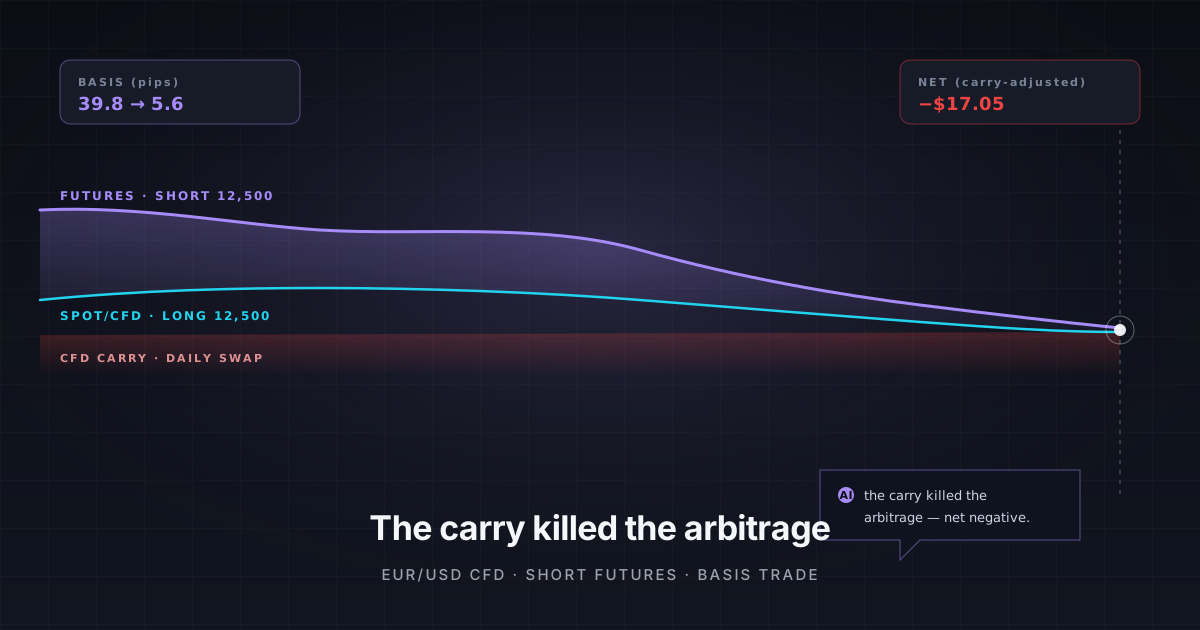
Statistical Arbitrage: This involves finding assets whose prices have historically moved together and, when they diverge, buying the relatively cheap one while selling the relatively expensive one, betting that the gap will close. Unlike pure arbitrage, it is not risk-free.
Short-Term Momentum: This involves detecting very short-lived directional moves in prices and order flow and trading in their direction, often holding positions for seconds or less. Classic trend following, by contrast, is a much slower strategy that holds positions for days or months.
News-Based Trading: This involves analyzing news and other market data to make trading decisions.
Quantitative automated HFT grew rapidly from the mid-2000s and now accounts for a large share of trading volume in many electronic markets. It is dominated by specialized proprietary trading firms and electronic market makers rather than traditional institutional investors. However, it is a controversial practice, with some market participants arguing that HFT can lead to market instability and unfairly advantage large institutions over individual investors.
Despite these concerns, quantitative automated HFT remains a popular trading strategy, particularly in highly liquid markets such as foreign exchange, equities, and futures markets. It requires advanced mathematical and statistical knowledge, as well as expertise in computer programming and technology.
What is quantitative position sizing in automated HFT?
Quantitative position sizing is a method used in automated high-frequency trading (HFT) to determine the size of a trade position. This is an important factor in determining the risk and potential reward of a trade.
In quantitative position sizing, traders use mathematical models and statistical analysis to calculate the optimal size of a position based on factors such as market volatility, trading costs, and risk tolerance. The goal is to maximize returns while minimizing risk.
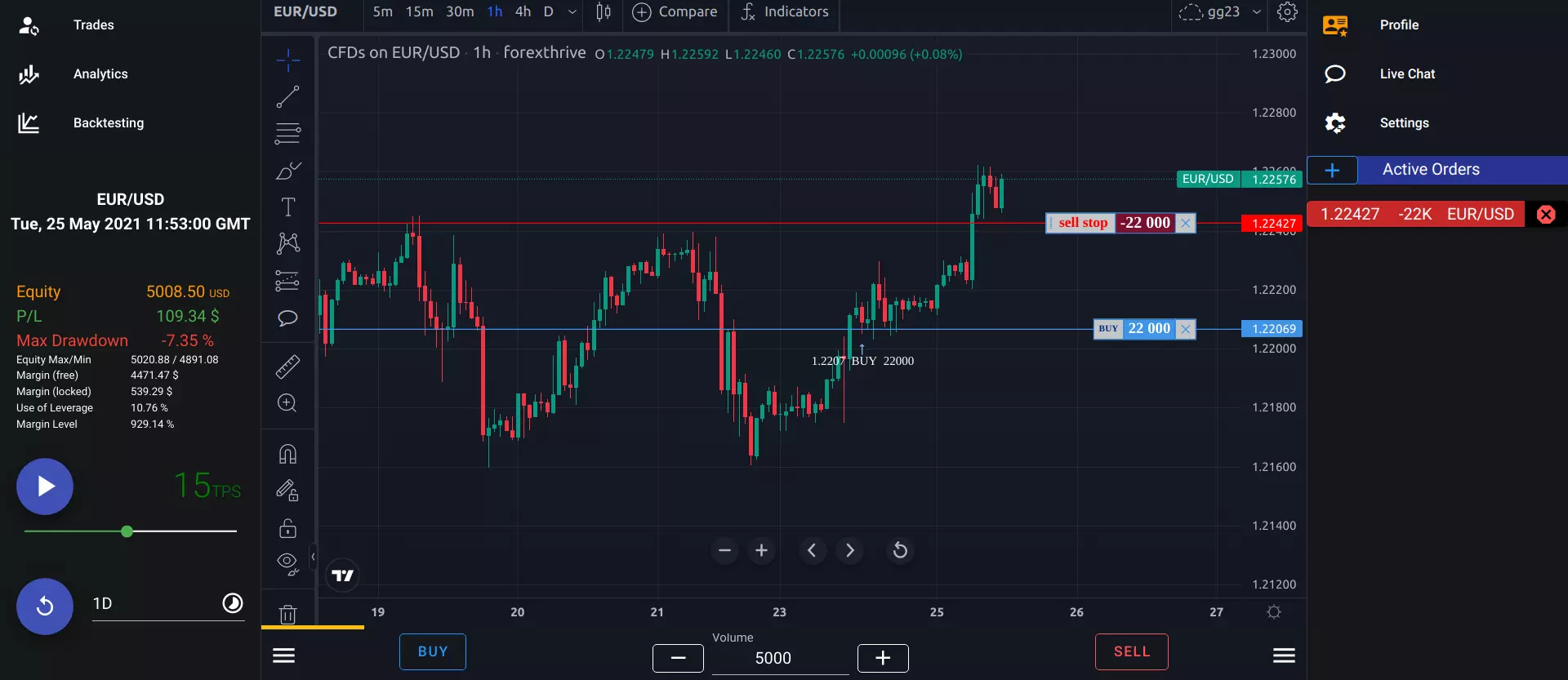
The position size is calculated based on a number of different factors, including the trader's account size, risk tolerance, and the volatility of the market. The trader will use a formula or algorithm to calculate the position size, which may take into account factors such as the distance between the entry and stop-loss levels, the expected profit target, and the market's volatility.
In automated HFT, the position sizing calculation is done automatically by the trading algorithm. The algorithm will take into account various factors such as the size of the trading account, the current market conditions, and the trader's risk tolerance. The algorithm will then determine the optimal position size for each trade and execute the trade automatically.
Quantitative position sizing is an important part of risk management in HFT. By using mathematical models and statistical analysis, traders can determine the optimal position size for each trade, which can help to minimize risk and maximize returns.
What causes market flash crashes
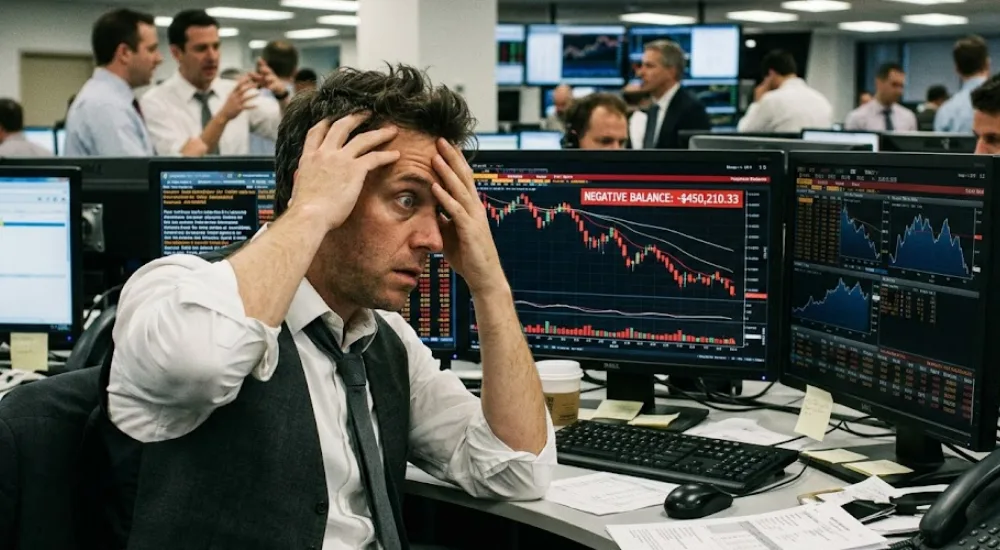
Market flash crashes are rapid, severe price declines in financial markets that occur over a very short period of time, often just a few minutes. These events are characterized by high volatility, sharp drops in market liquidity, and significant price movements. Well-known examples include the US equity flash crash of 6 May 2010, when the Dow Jones Industrial Average fell nearly 1,000 points within minutes before largely recovering, and the British pound's drop of roughly 6% against the US dollar in thin Asian trading on 7 October 2016.
There are several factors that can cause market flash crashes, including:
Algorithmic Trading: Algorithmic trading involves the use of computer programs to automate trading decisions. In some cases, these algorithms can malfunction or operate in unexpected ways, leading to sudden and dramatic market movements.
High-Frequency Trading: High-frequency trading (HFT) is a type of algorithmic trading that involves the use of sophisticated computer programs to execute trades at very high speeds. HFT can contribute to market flash crashes by amplifying small price movements, which can quickly spiral out of control.
Market Liquidity: Market liquidity refers to the availability of buyers and sellers in a particular market. During periods of low liquidity, sudden selling pressure can lead to sharp price declines and exacerbate market flash crashes.
News and Economic Data: Unexpected news or economic data releases can trigger market flash crashes. For example, a sudden change in interest rates or a major geopolitical event can lead to significant market volatility.
Technical Factors: Technical factors such as stop-loss orders and margin calls can also contribute to market flash crashes. When these orders are triggered, it can lead to a cascade of selling that can quickly drive down prices.
Overall, market flash crashes are complex events that can be caused by a combination of factors. While it is difficult to predict when these events will occur, market participants can take steps to mitigate their impact by maintaining diversified portfolios, keeping position size and leverage modest, and using hedging strategies. Stop-loss orders limit losses in normal conditions, but during a flash crash they can be filled far beyond their trigger price, so they are not a guarantee.
Frequently asked questions
What is high-frequency trading?
High-frequency trading is a form of algorithmic trading in which computers place and cancel very large numbers of orders in fractions of a second. Firms aim to earn small profits per trade from spreads and short-lived price differences, relying on speed, fast data feeds and low-latency infrastructure rather than long-term market views.
Is HFT the same as algorithmic trading?
No. Algorithmic trading is any trading where software makes or executes decisions from predefined rules, at any speed or holding period. HFT is a subset that competes mainly on speed and holds positions very briefly. Many algorithmic strategies, such as trend following on daily charts, are not high-frequency at all.
What causes a flash crash?
Flash crashes usually combine several factors: liquidity suddenly disappearing, algorithms reacting to each other, clusters of stop-loss orders and margin calls being triggered, and unexpected news. When buyers step away, even moderate selling can push prices down sharply within minutes, often followed by a partial or full rebound.
Can retail traders compete with HFT firms?
Not on speed. HFT firms invest heavily in infrastructure to shave microseconds. Retail traders are better served by strategies on longer timeframes, where milliseconds do not matter, by sizing positions for sudden gaps, and by testing their rules on historical data before risking real money.